Blood, Sweat, and Sawdust

Going against the grain

Fundamentals of Furniture Design: Series Introduction

The Fundamentals of Furniture Design stats with the right tools

The Fundamentals of Furniture Design stats with the right tools

Over the next weeks, I will write a multi-part series on the fundamentals of furniture design. This subject is new to me, but I have done my research. Think of it not as instruction, but more as an open discussion.  I believe there is a lot we can all learn along the way.  Besides, who doesn’t want to design beautiful, unique furniture from the ground up?

I will write at least one post per week and cover the following subjects:

  1. What is Good Design?
  2. The Design Toolkit
  3. Proportion – Part 1
  4. Proportion – Part 2
  5. Resources and Inspiration
  6. Why Certain Designs Work and Others Don’t
  7. Design Your First Piece
  8. Generating Ideas
  9. Refining Ideas
  10. Prototyping
  11. The Build
  12. Build Evaluation
  13. The Details

It is highly likely that I will add a few more posts to this series as I go, but these are the major topics I would like to cover.  If there is anything else you would like for me to discuss along the topic of design, let me know.  I will try my best to cover it.  By the time we finish, you will be well on your way to designing your own pieces.  Your friends will ask where you got the plans, and you can tell them, “I designed it myself”.

I’m very excited to begin this series, and I hope that you will join me.  Stay tuned!

Roubo Legs: Squaring End-Grain

There’s a bit of stigma when it comes to squaring end-grain.  It really isn’t all that difficult.  Just follow the same rules you do for long-grain and make sure you have a sharp plane iron.  The real trick is ensuring exact, crisp layout.

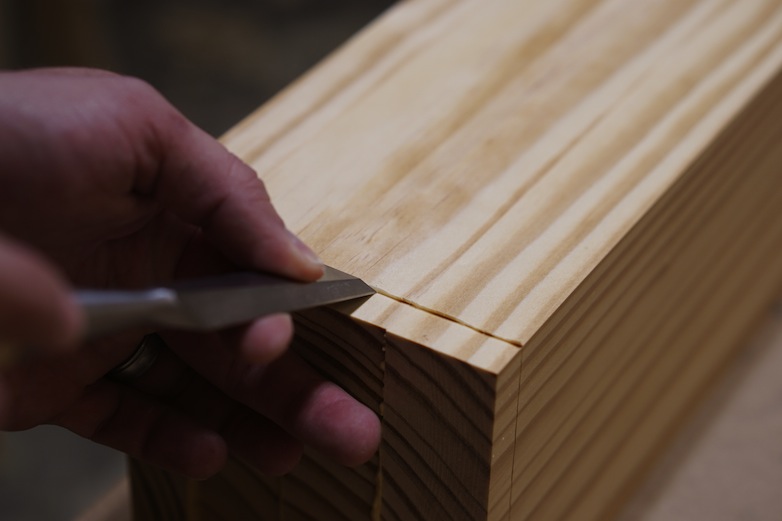
Knifing in the line

Knifing in the line

Start by knifing in your line using an accurate square.  Assuming your board is 4-square, your line will be perfectly perpendicular.  Here are some tips to ensure your layout lines meet perfectly as you move around your board:

  1. Always reference your square against your true face or true edge.
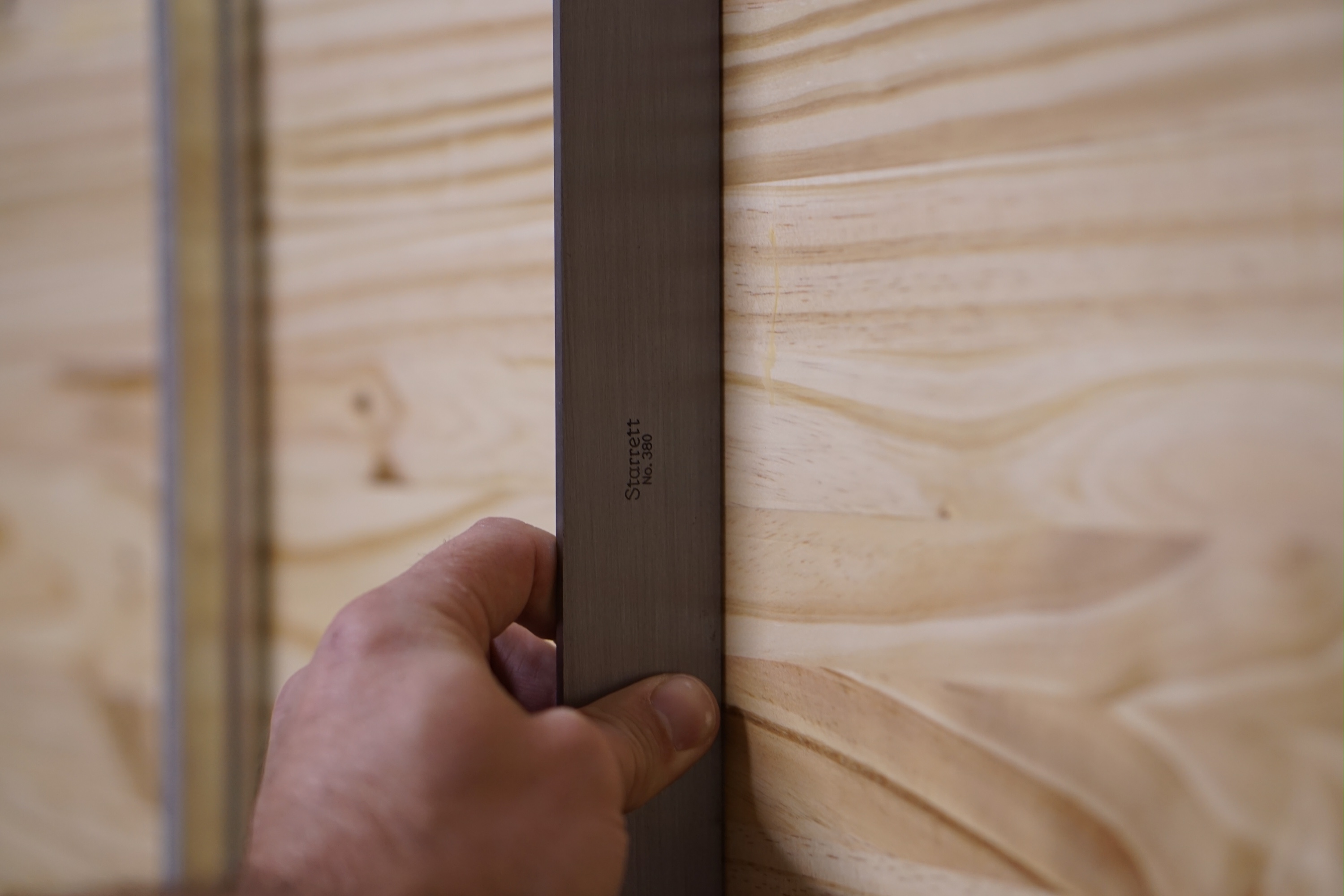
  2. Ensure that you’re holding your square securely against your stock.  I like to place my thumb in the center of the square stock and a finger on the blade.
  3. Start your knife line with two very light passes, followed by one or two heavy passes.  This will ensure that you establish your line without applying too much lateral pressure to your square.
  4. Ensure that the bevel of your knife is towards the waste side of your board.
  5. As you move from one face to another, place your knife in the previous line and slide the blade of your square up to the knife.
Increase visibility with a mechanical pencil

Increase visibility with a mechanical pencil

Create a trench using a chisel

Create a trench using a chisel

Once I’ve established my knife line, I like to go back over it with a fine mechanical pencil.  The effect is subtle, but makes the line more visible.  I then follow up by chiseling out a small grove on the waste side of my line.  This will give my saw a small groove in which to ride, and makes the cut easier.

Kerf in your line with a small back saw

Kerf in your line with a small back saw

Once, I’ve chiseled out a groove, I establish a saw kerf all the way around the stock with a fine backsaw.  This will help keep the cut square when I move to a more aggressive panel saw.  From there, I complete the cut on my sawbench with a panel saw.

Squaring the end-grain with a low-angle jack

Squaring the end-grain with a low-angle jack

With the waste removed, I start truing up the end-grain with a low-angle jack plane.  I work in from the outsides to avoid tear out.  I approach this exactly like I would long-grain.  I check everything with a square, mark the low spots, and plane the high spots.  I repeat until satisfied.  Once I’ve squared up one end, I mark the leg to final length, and repeat on the other end.

A good glue joint should break along the grain, not the glue line

A good glue joint should break along the grain, not the glue line

I like to test my offcuts for a good glue-joint.  The offcut should never break at the glue-line.

Next up, I will cut the tenons for the legs.  I will show you how to do this two different ways.

You can find links to my other Roubo posts here:  Project Index

Roubo Workbench Update: She’s Got Legs…

Roubo Workbench Legs

Roubo Workbench Legs

The Roubo workbench project is finally starting to come together.  I have all four leg blanks glued up.  Two legs have been 4-squared, and I will complete the other two legs tonight.  Then, I will cut them to length and start working on the joinery.

Milling up the legs was much easier than milling the bench top sections.  Part of this is due to the fact that the legs are so much shorter.  Not only were the bench top sections a pain to mill, but they’re a pain to move around.  The other significant factor is experience.  Nothing will hone your milling skills like building a Roubo workbench from construction lumber.  I almost feel like I could teach a class on milling lumber by hand (if I weren’t such a lousy teacher).  It’s also excellent cardio!

Now the real fun begins.  I get to start on the joinery!  I’ll start with the tenons on the legs and then move on to the huge mortises on the bottom of the bench top.  But, first I need to flatten the bottom of the workbench.

Stay tuned…the excitement starts soon.

You can find links to my other Roubo Build posts here:  Project Index

Roubo Build: One Stout Bench Top

One Stout Roubo Bench Top

One Stout Bench Top

Everything I’ve done for the past 6 weeks has built to this bench top completion.  It isn’t easy milling up 8 ft long sub assemblies that weigh over 50 lbs apiece.  However, the wisdom gained was worth the effort invested, and the rest of the Roubo build to should go more quickly.

I can’t believe the stability of the Roubo bench top.  There’s zero flex, even with my 190 lb frame down bearing directly over the center.  It don’t think it would have a problem with a Buick parked on top.  At nearly 200 lbs and 4 1/2 inch thick, it shouldn’t have any problems with the modest amounts of abuse it will see over its lifetime.  Overall, the build has gone smoothly, but it hasn’t been without its lessons.

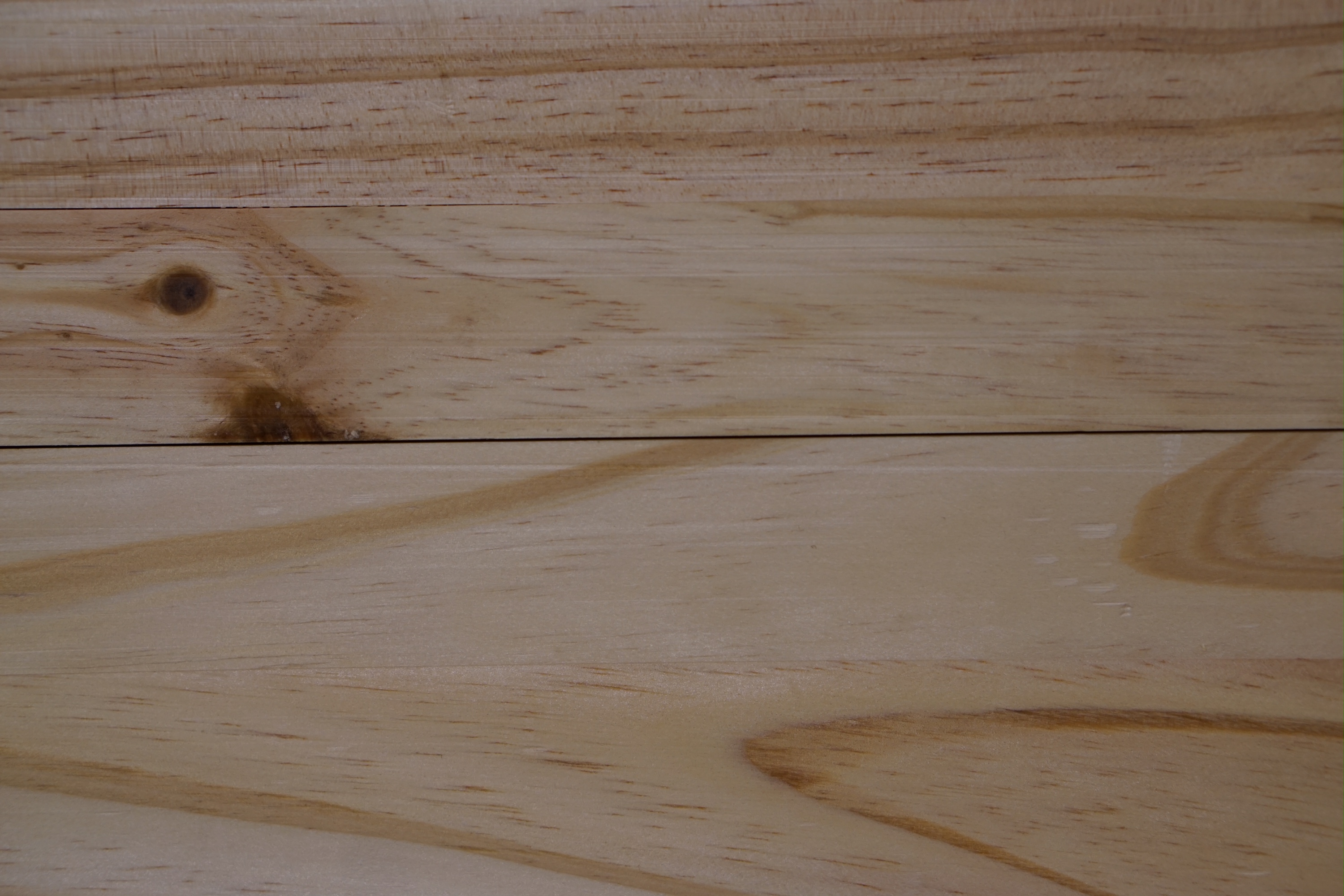
The biggest lesson I’ve learned is to take your time. I sped through the early stages and ended up with some small gaps in the sub assemblies.  This is likely due to small amounts of snipe from the planer, which I didn’t initially notice.   I don’t expect this to affect bench top durability, but it is a constant reminder of my impatience. The seams between the sub assemblies are virtually gap-less. I will mask the gaps with some epoxy, unless anyone can give me a better solution.

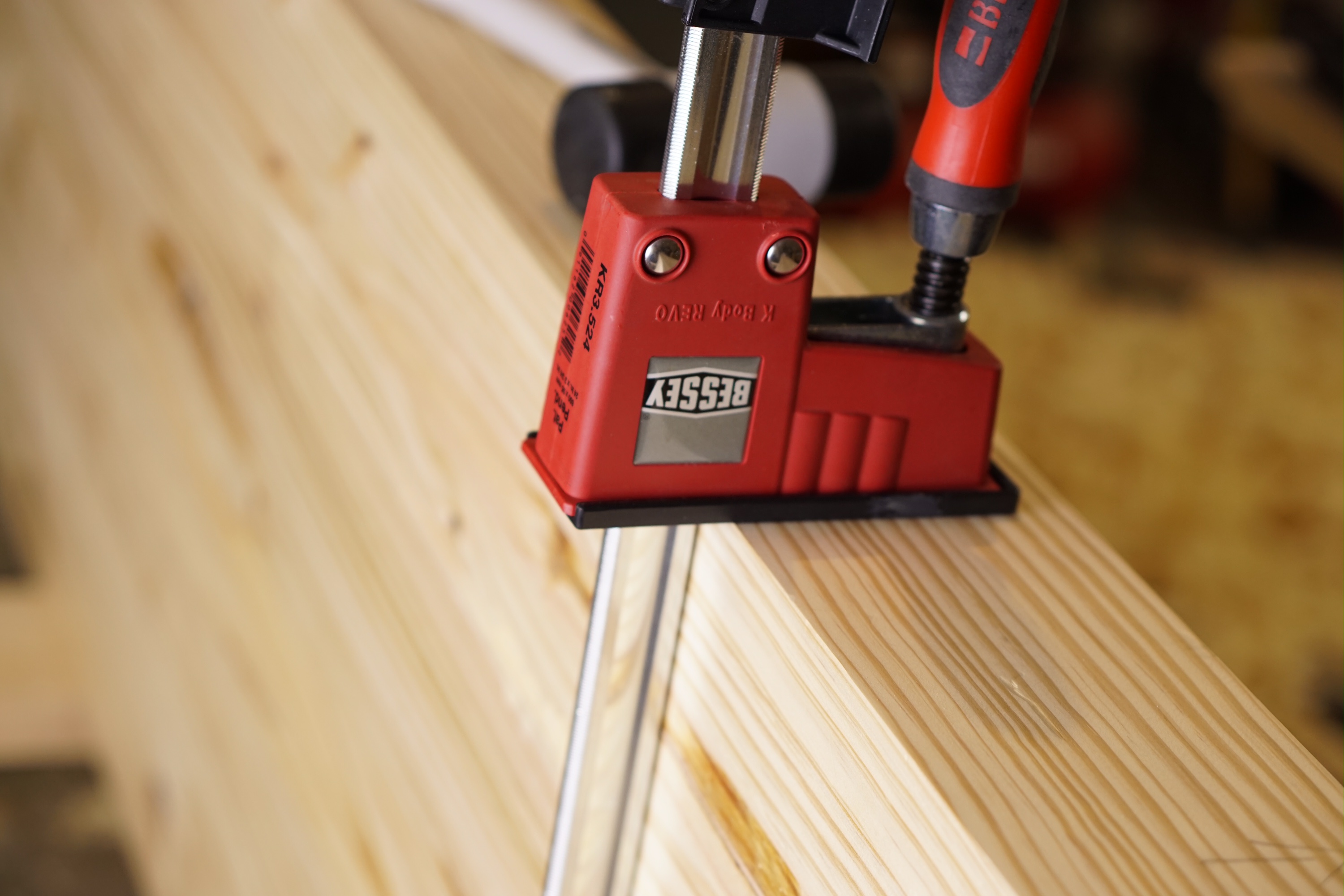
Roubo Bench top clamped web

Bench top clamped web

If you attempt a build like this take your time, plan, and don’t hesitate to ask for help.  The legs are already in progress.  I have already ripped, jointed, and stickered the boards.  With any luck, I will have the blanks glued up by the end of the weekend.  Stay tuned…

You can find links to my other Roubo Build posts here:  Project Index


Changing Gears: Furniture Design

Furniture Design

I’d like to change gears for a minute and discuss something that I’m truly passionate about: furniture design. It’s one subject that just isn’t talked about enough. It’s the one thing that sets the masters apart from amateur. More importantly, I believe it’s a skill that anyone can learn.

Design is something I plan to talk about more in the following months.  I want to examine what makes a piece of furniture genuinely beautiful. What are it’s proportions? How does grain pattern and color compliment the piece? What makes the piece unique? I plan to examine these topics in detail, as I attempt to develop my own personal style.

If this is a subject that excites you as well, stay tuned…

The Importance of Planning

Failure to Plan

Failure to Plan

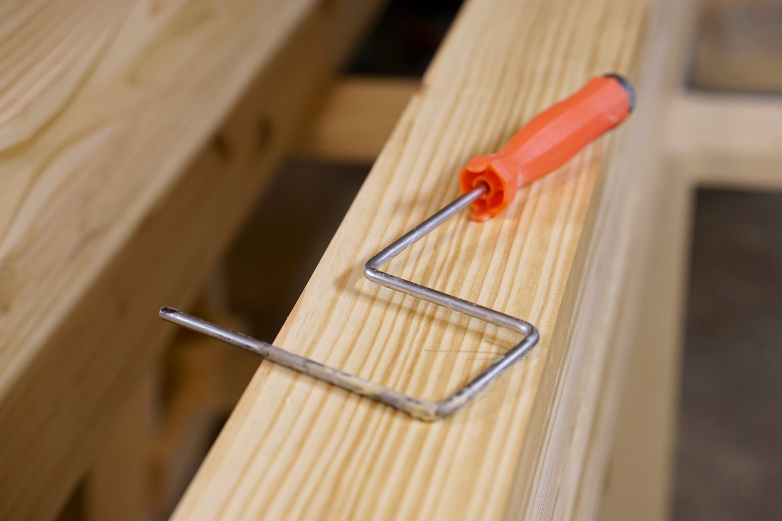
I’ve heard it said that, “failure to plan, is planning to fail”.  This is how I felt yesterday afternoon as I prepared to glue the two halves of my bench top together.  I quickly discovered that I had forgotten to purchase more paint rollers to spread the glue.  I didn’t have a sufficient alternative, so the glue-up will have to wait.  Fortunately, another warm day is right around the corner.

I didn’t let this hiccup set me back.  Instead, I started working on the legs.  I rough cut all of my boards and set them aside.  Today,  I will joint and edge and rip to width.  With any luck, I will be gluing up the blanks this weekend.   The important thing is to keep moving.

Stay tuned.

You can find links to my other Roubo posts here:  Project Index

Blog Maintenance

I will be migrating my site to a stand-alone host over the weekend  All subscriptions, comments, etc, should migrate without incident.  However, if you do subscribe, check back Monday and make sure you maintain that subscription.  Thanks all, and have a great weekend.

When Things Come Together

Roubo Benchtop Clamped Up

Roubo Benchtop Clamped Up

Sometimes you just get lucky. That’s what happened to me when I went to test fit the two halves of my bench top. Honestly, I couldn’t have asked for a better fit.

Prior to fitting, I gave the two matting edges a quick touch up as they were each out of square by a few thousandths. Somehow I managed to get one of the 100 lb halves on to the other by myself. I lined up the edges, and then gave it a quick once over. Each edge was slightly concave, giving me about 1/64th gap in the middle. I checked for cupping along the width and found very little. Needless to say, I am both surprised and relieved.

Checking the Roubo Top for Cupping

Checking the Roubo Top for Cupping

A perfectly sprung joint

A perfectly sprung joint

Unfortunately, the weather is still too cold for the final glue-up. That will have to wait until Monday when the temperatures are supposed to rise into the low 60’s. Stay tuned.

You can find links to my other Roubo posts here:  Project Index

Jointing Wide Edges by Hand: Companion Video

Some people like to read, others like videos.  So, I made this little companion video for jointing wide edges by hand.  Some people find this a little tricky due to the fact that multiple passes are needed to square the edge to the true face.  I hope you find this useful and entertaining.

Don’t hesitate to leave a comment or suggestion.  Let me know what you think.  Now, get out there and mill some boards.

You can find links to my other Roubo posts here:  Project Index

Ice Delay

Iced

Iced

The weather has not been kind to the southeast.  The icy weather has cooled down shop temperatures to below 40 degrees.  Unfortunately, this is too cold to safely continue the glue-up for the Roubo benchtop.  The second half is milled up and ready to go, but will have to wait until warmer weather.  The outlook is much brighter this weekend, and I hope to have a functional bench top by the end of it.

On the flip side, I’ve had a lot of time to play around with the new camera, and video editing software.  It’s been a nice break from busting my hump on this Roubo build, but I am ready to get back to work.  Until later…